Why Comfort Food Feels Emotional (Psychology Explained)
Introduction
Have you ever noticed how certain foods can change your mood?
Sometimes, a simple meal can make you feel calm, happy, and relaxed. A warm dish after a long day or your favorite snack during stress can feel very special. This is not just about taste. It is about emotions.
This is where comfort food becomes important.
Comfort food is not only about eating. It is about feeling. It connects your mind, your body, and your memories. In this article, you will learn why comfort food feels emotional, how it affects your brain, and why people turn to it in different situations.
What Does “Emotional Food” Mean?
Emotional food means food that is connected to your feelings. It is food that makes you feel something inside, not just in your stomach.
Comfort food becomes emotional because it is linked to:
- Memories
- Experiences
- People
- Moments in your life
For example, the food you ate as a child may still feel special today. Even if the recipe is simple, the feeling it gives you is strong.
This is why comfort food is different for everyone. It depends on your personal life and experiences.
How the Brain Connects Food and Emotion
Your brain plays a very important role in how you feel about food.
When you eat something you like, your brain releases chemicals that make you feel good. These chemicals help reduce stress and improve your mood.
Food also activates the part of the brain that stores memories. This is why certain smells and tastes can take you back to the past.
For example, the smell of fresh bread or a homemade meal can remind you of your home or family. This connection between food and memory makes comfort food very powerful.
The Role of Childhood Memories
One of the biggest reasons comfort food feels emotional is childhood memory.
When you are young, food is often connected to love and care. Your parents or family prepare meals for you, and you feel safe and happy.
As you grow older, your brain keeps those memories. When you eat the same food again, those feelings come back.
This is why many people prefer simple, traditional meals over complex dishes. It is not about the recipe. It is about the memory behind it.
Food as a Source of Safety and Relaxation
Comfort food often gives a feeling of safety.
When life becomes stressful, people look for something familiar. Food is one of the easiest ways to feel better.
Warm meals, soft textures, and familiar flavors can make your body relax. They slow you down and help you feel calm.
This is why people often choose comfort food during:
- Stress
- Sadness
- Tiredness
- Loneliness
It becomes a way to take a break from problems and feel stable again.
Why Warm and Simple Foods Feel Better
Comfort food is often warm and simple. This is not a coincidence.
Warm food sends signals to your brain that make you feel relaxed. It gives a sense of care and comfort, similar to being at home.
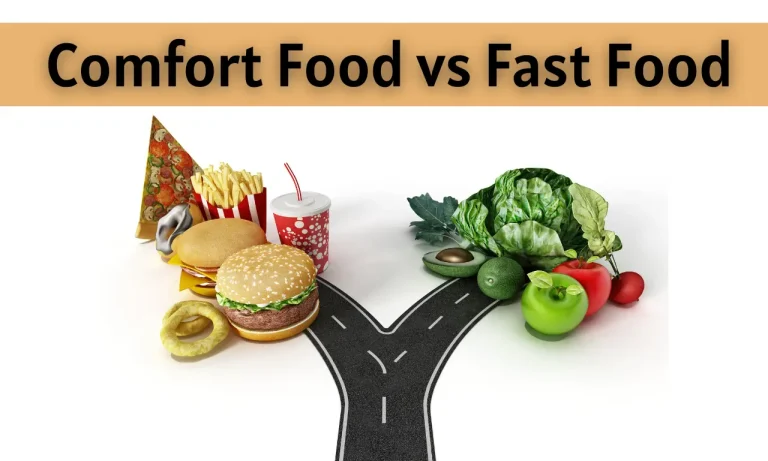
Read More About: Comfort food vs fast food
Simple food is also easier to understand and enjoy. It does not confuse your taste or overwhelm your senses.
This combination of warmth and simplicity creates a strong emotional effect.
The Role of Taste and Texture
Taste and texture also play a big role in emotional eating.
Soft, creamy, or slightly crispy foods feel more satisfying. They are easy to eat and enjoyable.
Balanced flavors are also important. Food that is too spicy, too salty, or too heavy can feel uncomfortable. Comfort food usually has a smooth and balanced taste.
This balance helps your brain stay relaxed and satisfied.
Why People Eat Comfort Food During Stress
Stress is one of the biggest reasons people turn to comfort food.
When you feel stressed, your body looks for quick ways to feel better. Comfort food provides that relief.
It helps by:
- Improving mood
- Reducing tension
- Creating a sense of control
- Giving a break from thinking
Even though it is not a solution to problems, it helps you feel better for a short time.
Emotional Eating: Is It Good or Bad?
Emotional eating means eating food based on feelings, not hunger.
This can be both good and bad.
Positive Side
- Helps you relax
- Improves mood
- Creates comfort
- Builds emotional connection
Negative Side
- Eating too much
- Choosing unhealthy food
- Avoiding real problems
The key is balance. Comfort food is helpful when used in moderation, not as a daily habit for dealing with stress.
Modern Comfort Food and Emotional Experience
Today, comfort food is changing.
People now want:
- Better quality ingredients
- Balanced flavors
- Healthier options
- Simple but meaningful meals
Modern comfort food focuses on both emotion and quality. It is not just about feeling good, but also about eating better.
This is why food concepts today focus on experience, not just taste.
Why Everyone Has Different Comfort Food
Not everyone likes the same comfort food.
This is because comfort food depends on:
- Culture
- Childhood
- Personal taste
- Life experiences
For one person, comfort food may be a homemade meal. For another, it may be a burger or a snack.
There is no single definition. Comfort food is personal.
How to Enjoy Comfort Food in a Healthy Way
You can enjoy comfort food without harming your health.
Here are some simple tips:
- Choose fresh ingredients
- Avoid too much oil or sugar
- Keep portions balanced
- Eat slowly and mindfully
- Do not depend on food for every emotion
This way, you can enjoy both the emotional and physical benefits of food.
The Future of Emotional Food Experience
Food is becoming more than just eating.
In the future, people will focus more on:
- Emotional connection
- Food storytelling
- Simple and clean meals
- Personalized food experiences
Restaurants and food brands are now creating meals that make people feel something, not just taste something.
This shows how important emotional connection with food has become.
Conclusion
Comfort food feels emotional because it connects your mind, your memories, and your feelings.
It reminds you of home, reduces stress, and helps you feel calm. It is not just about what you eat, but how it makes you feel.
This is why comfort food will always be important. It gives more than taste. It gives comfort, connection, and meaning.
Understanding this connection helps you enjoy food in a better and more balanced way.
FAQs
1. Why does comfort food make people happy?
Comfort food makes people happy because it triggers positive memories and releases feel-good chemicals in the brain.
2. What is emotional eating?
Emotional eating is eating food based on feelings instead of hunger.
3. Why do people eat comfort food when stressed?
Because it helps reduce stress and creates a feeling of relaxation and control.
4. Is comfort food always unhealthy?
No, it can be healthy if made with balanced and fresh ingredients.
5. Why is comfort food different for everyone?
Because it depends on personal memories, culture, and life experiences.