Bun Selection Guide for Better Taste
Introduction
When people think about burgers, they usually focus on the meat, cheese, or sauce. But one very important part is often ignored—the bun.
The bun is not just bread. It is the base that holds everything together. It affects the taste, texture, and overall experience of the burger.
A bad bun can ruin even the best burger. A good bun can make a simple burger taste amazing. In this guide, you will learn how to choose the right bun for better taste in a very simple and clear way.
Why the Bun Matters in a Burger
The bun is the first thing you touch and the last thing you taste.
It plays many roles:
- It holds the burger together
- It supports all ingredients
- It adds texture
- It adds a light flavor
If the bun is too hard, it becomes difficult to eat.
If it is too soft, it can break easily.
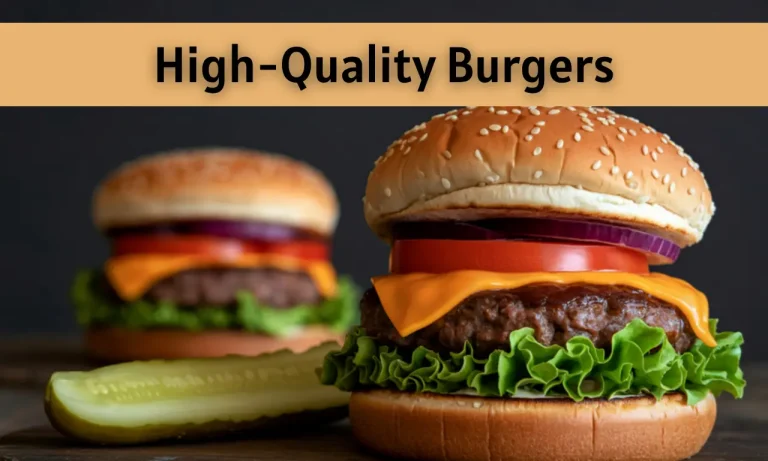
A good bun Best Ingredients for High-Quality Burgers keeps everything balanced and makes every bite smooth.
What Makes a Good Burger Bun
A good burger bun should have a few important qualities.
It should be:
- Soft but strong
- Fresh and not dry
- Light in taste
- Slightly firm on the outside
The bun should not overpower the burger. It should support the flavors, not dominate them.
The goal is balance.
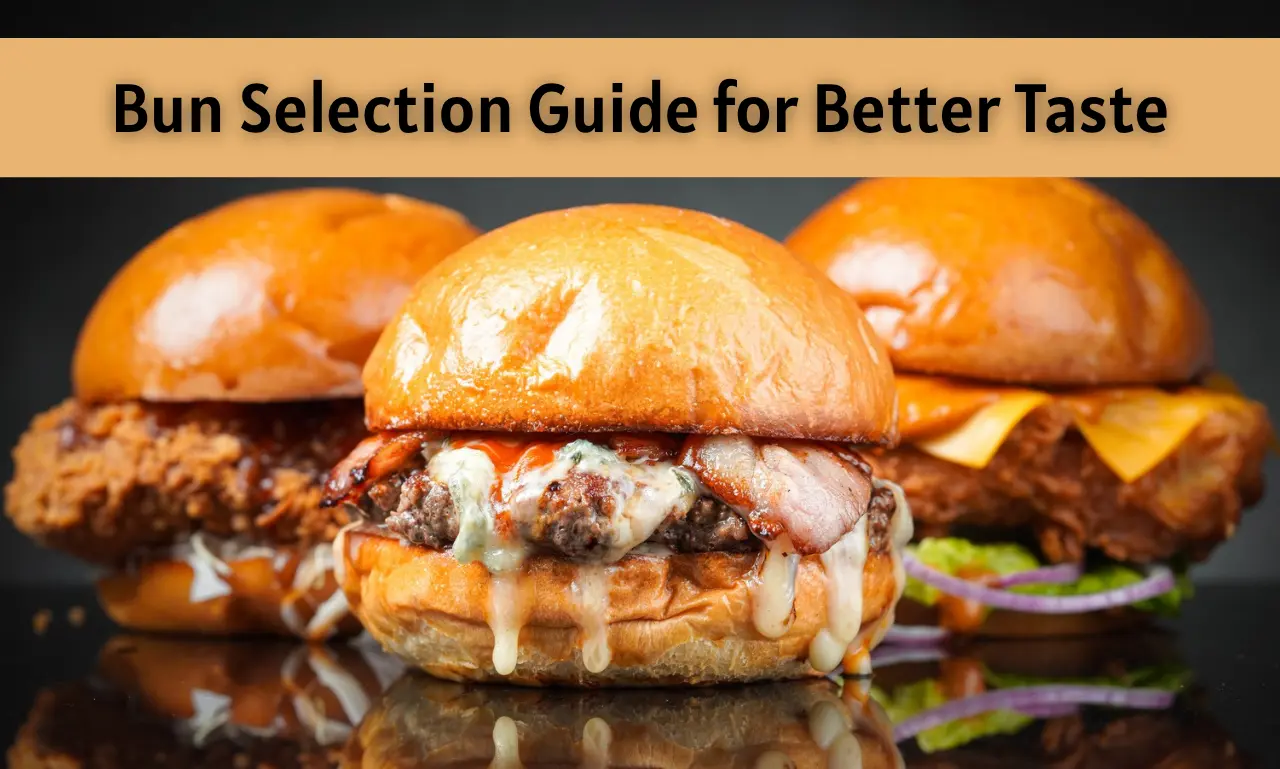
Types of Burger Buns
There are different types of buns, and each one gives a different experience.
Brioche Bun
Brioche is one of the most popular choices.
It is:
- Soft
- Slightly sweet
- Rich in texture
It works well with juicy burgers and adds a premium feel.
Potato Bun
Potato buns are also a great option.
They are:
- Soft
- Moist
- Slightly dense
They hold the burger well and stay fresh for longer.
Sesame Seed Bun
This is a classic option.
It is:
- Light
- Slightly crunchy on top
- Neutral in taste
It works well for simple burgers.
Plain White Bun
A plain bun is simple and basic.
It is:
- Soft
- Light
- Affordable
It is a good choice for everyday burgers.
Choosing the Right Bun for Your Burger
Not every bun works with every burger.
You should choose a bun based on your ingredients.
For example:
- A juicy burger needs a strong bun
- A light burger works well with a soft bun
- A rich burger pairs well with a simple bun
The bun should match the weight and flavor of the burger.
This creates a better balance.
The Importance of Freshness
Freshness is very important when choosing a bun.
A fresh bun feels:
- Soft
- Light
- Easy to bite
An old bun feels:
- Dry
- Hard
- Unpleasant
Always try to use fresh buns. They improve both taste and texture.
Toasting the Bun: Yes or No?
Toasting the bun is a simple step that makes a big difference.
A lightly toasted bun:
- Adds a slight crunch
- Prevents sogginess
- Improves texture
You do not need to over-toast it. A light toast is enough.
This small step can improve your burger instantly.
Avoiding Soggy Buns
A soggy bun can ruin your burger.
It becomes messy and difficult to eat.
To avoid this:
- Toast the bun lightly
- Do not use too much sauce
- Place ingredients properly
- Use a bun that is strong enough
Keeping the bun firm is very important for a good experience.
Size and Shape of the Bun
The size of the bun should match the patty.
If the bun is too small, the burger feels crowded.
If it is too large, the burger feels empty.
A balanced size makes the burger easier to eat.
Round buns are the most common because they fit the patty shape.
Flavor Balance
The bun should not be too strong in flavor. A very sweet or very salty bun can disturb the balance. The best buns have a mild flavor.
This allows the patty, cheese, and toppings to stand out. The bun should support the taste, not dominate it.
Texture Matters
Texture plays a big role in how a burger feels.
A good bun has:
- Soft inside
- Slightly firm outside
This combination makes it easy to bite and hold.
If the bun is too soft, it breaks.
If it is too hard, it feels uncomfortable.
Balance is key.
Common Mistakes When Choosing Buns
Many people make simple mistakes when choosing buns.
Some common mistakes include:
- Using dry or old buns
- Choosing buns that are too hard
- Using buns that are too soft
- Ignoring size and balance
- Not toasting the bun
Avoiding these mistakes can greatly improve your burger.
How Restaurants Choose Better Buns
Good restaurants pay attention to bun quality.
They choose buns that:
- Stay fresh
- Hold ingredients well
- Match their burger style
They also keep their menu simple and consistent.
This is why restaurant burgers often feel better.
Making Better Choices at Home
You can easily improve your burger at home by choosing a better bun.
Focus on:
- Freshness
- Soft but strong texture
- Proper size
- Light toasting
These small changes can make a big difference.
The Experience of a Perfect Bun
A perfect bun makes the burger feel complete.
It should:
- Hold everything together
- Feel soft and easy to bite
- Not fall apart
- Support all flavors
When the bun is right, the whole burger feels better.
Conclusion
The bun is a key part of a great burger.
It is not just bread. It is the base of the entire experience.
Choosing the right bun can improve taste, texture, and balance.
Focus on:
- Freshness
- Soft but strong texture
- Proper size
- Light flavor
When you choose the right bun, even a simple burger becomes special.
FAQs
1. What is the best bun for burgers?
Brioche and potato buns are among the best because they are soft and strong.
2. Should I toast burger buns?
Yes, light toasting improves texture and prevents sogginess.
3. Why does my burger bun get soggy?
Too much sauce or a weak bun can cause sogginess.
4. Can I use any bread as a bun?
You can, but a proper burger bun gives better balance and structure.
5. How important is the bun in a burger?
Very important, as it affects taste, texture, and the overall experience.